The Lifecycle of a Hardwood Floor
Visit our hardwood floors showroom to see the latest designs and finishes available.
From Installation Day to Year 25 — why the best hardwood floors are planned in decades, not square feet.
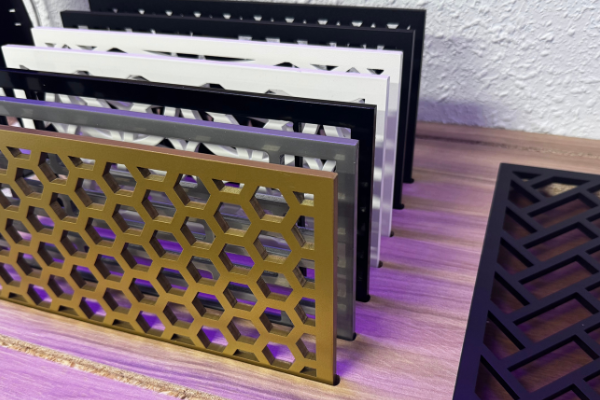
Our hardwood floors showroom displays a wide variety of options tailored for every taste.
hardwood floors showroom
Timeline Navigation
Most people think of hardwood floors installation as a project with a beginning and an end: pick a color, schedule the crew, move the furniture, finish the job.
But hardwood doesn’t live on a project timeline. It lives on a seasonal timeline, a family timeline, and a time timeline.
Experience the beauty and durability of our products by visiting our hardwood floors showroom.
A hardwood floor is a system. It’s structure, subfloor, moisture behavior, installation method, finish chemistry, and the daily reality of life: kids running through a hallway, a dog’s nails on the turn into the kitchen, the chair that always gets dragged in the dining room.
Floors don’t just sit there. They respond. They adapt. They age.
That’s why the smartest way to choose, install, and maintain hardwood is to think in lifecycles instead of “price per square foot.”
When you understand the lifecycle, you automatically make better decisions:
you pick materials that fit your home, you avoid preventable issues, and you invest at the right moments—before you’re forced to.
This flagship guide is our long-term roadmap for Seattle-area homes—from hardwood floor installation Seattle realities to the years when hardwood floor refinishing Seattle becomes a smart reset. If you’re in Bellevue, Kirkland, Redmond, Sammamish, Issaquah, Mercer Island—or anywhere across Snohomish and King County—this is written for your climate, your homes, and your expectations.
Our hardwood floors showroom showcases various styles to fit every home’s unique aesthetic.
Quick Self-Check: Where Are Your Floors Right Now?
Pick the statement that feels most true. (This isn’t a test—just a shortcut to the right next step.)
- “Our floors look great, but traffic paths are dull.” You may be in the recoating window.
- “We see grayish wear or bare wood in spots.” You’re likely past recoating—jump to refinishing reality.
- “The floor is noisy, hollow, or feels uneven.” That’s often a subfloor / installation method issue—read Year 0 and Years 1–3.
- “We’re remodeling and want floors that last decades.” Start at Installation Day, then book a consult.
Year 0: Installation Day — Where the Next 25 Years Are Decided
Installation day looks like the finish line. In reality, it’s the beginning of the floor’s performance life. The most important decisions are usually invisible once the boards are down, which is exactly why they matter so much.
If you’ve ever wondered why two floors can look identical but feel completely different—one solid and quiet, the other hollow and noisy—this is where the story starts.
What Homeowners See vs. What Professionals Measure
Homeowners understandably focus on visuals: the tone of white oak, the warmth of a stain, the elegance of wide planks, the calm of a matte sheen. Those choices matter—because you live with them every day.
But professionals also focus on what determines whether those choices will still feel like the right decision ten years from now.
LUKS long-term rule: A beautiful floor is easy. A floor that stays quiet, stable, and serviceable for decades takes planning.
Solid vs. Engineered Hardwood: Pick the Lifecycle, Not the Label
In Seattle and across the Eastside, your home’s humidity cycle is not theoretical—it’s daily life. Winters can dry interiors; spring and fall bring moisture swings; and many homes have a mix of heating strategies. This is why “the best floor” depends on how your home behaves over time.
Solid hardwood can be a lifetime floor in the right conditions—especially in traditional plank widths and stable environments. It also offers more opportunities for full sanding refinishes (depending on thickness).
Engineered hardwood can be the smarter long-term performer in many modern Seattle-area homes, especially with wider planks, slab foundations, or rooms that need additional stability.
The most common mistake we see is choosing a product for looks alone—and then forcing it into a home environment that makes it struggle.
When your contractor understands the lifecycle, they help you choose what your home will support long-term.
Installation Method: Glue, Nail, Hybrid — and Why It Affects Year 10
Installation method is the “silent architect” of your floor. It affects sound, movement, and future repair options.
A well-chosen method spreads stress evenly. A mismatched method concentrates stress—often in the same places you walk every day.
- Nail-down can be excellent over quality plywood subfloors, with the right prep and fastening schedule.
- Glue-down can create a solid feel and is often ideal for engineered hardwood, especially over slab or certain subfloor conditions.
- Hybrid approaches exist because real homes aren’t perfect—sometimes the best result comes from combining methods based on room needs.
The key is not the method itself. The key is selecting a method that matches your home’s structure and moisture behavior—then executing it with precision.
That’s why “same material” does not always mean “same floor.”
Subfloor Prep: The Part of the Quote That Controls the Whole Story
Subfloor preparation is where long-term floors are won or lost.
If a subfloor is not flat enough, the floor will telegraph issues:
boards can rock, adhesives can be stressed, fasteners can loosen, and hollow sounds can develop in high-traffic areas.
When we talk to homeowners in Bellevue or Kirkland comparing quotes, this is often the missing piece: one quote assumes the subfloor is “fine,” another plans for the reality of the home.
Planning is not a “nice to have.” It’s the reason a floor can comfortably reach Year 25.
Years 1–3: Settling & Movement — When the Floor Learns Your Home
The first three years are where a hardwood floor becomes “part of the house.”
It’s also where the difference between a rushed installation and a well-planned one becomes clear—not dramatically, but quietly.
Seasonal Change Is Normal. Uneven Change Is a Warning.
Wood responds to the environment. In winter, indoor air can get drier; in spring and fall, humidity rises; and the Seattle region’s shifts can be noticeable in how wood floors “feel.”
A healthy floor may show subtle seasonal behavior—small gaps that come and go, slight changes in sound depending on weather.
Problems show up when movement is uneven. That’s when you hear new squeaks, feel isolated hollow zones, or see localized gapping that concentrates in one area.
Those symptoms often trace back to Year 0: subfloor flatness, fastening, glue coverage, or expansion planning.
The “Quiet Luxury” Test: How It Sounds and Feels
The floors homeowners love most are the ones they don’t think about. They feel solid. They sound consistent. They don’t announce themselves.
This is what we call quiet luxury: not flashy—just confidence underfoot.
In Years 1–3, a healthy floor typically has:
- Consistent feel across rooms (no “soft zones”)
- Even sound (no sudden hollow patches)
- Stable transitions (no shifting edges)
- Finish that wears evenly, not in random blotches
If something feels off in these early years, it’s worth addressing early. Small issues are often far easier (and less expensive) to resolve before they compound into bigger problems.
This is one of the reasons homeowners in Seattle choose to work with a true flooring contractor instead of a crew focused only on speed.
Years 3–5: Daily Life Takes Over — and the Floor Starts Telling the Truth
By year three, the floor has a personality. It shows where you live, where you pause, where your dog follows you, where the kids sprint, where groceries land.
This is when homeowners begin noticing patterns—not because something is wrong, but because hardwood is honest.
Wear Patterns Are Not Damage — They’re Information
In most homes, you’ll see the first signs of finish fatigue in predictable places: entry paths, kitchen routes, hallway lanes, and living room zones.
The finish may look slightly duller. Micro-scratches may catch light. The floor still looks beautiful, but it begins to show that it’s being used.
This is where long-term homeowners win: instead of waiting until “it looks bad,” they start planning ahead.
In the lifecycle, this is the early warning that the recoating window is coming.
The Difference Between “Normal” and “Accelerated” Aging
Normal aging looks even and gradual. Accelerated aging looks patchy and concentrated—especially around transitions, near moisture zones, or where subfloor conditions weren’t ideal.
If you’re seeing unusually fast wear in one area, it may be worth getting a professional assessment before it spreads.
This is where LUKS Construction helps homeowners make calm, practical decisions: whether it’s simple maintenance, a targeted repair plan, or preparing for recoating to preserve the floor at the perfect time.
Years 5–7: The Recoating Window — The Biggest Opportunity Most People Miss
If you only remember one section of this guide, make it this one.
Recoating is the single most overlooked strategy that separates floors that last 12 years from floors that reach 25 with confidence.
What Recoating Is (and What It Isn’t)
Recoating is not sanding your floor down to raw wood. It’s not a full refinish. It’s a protective refresh:
lightly abrade the existing finish, then apply a new topcoat to restore protection and uniform sheen.
Done at the right time, recoating preserves wood thickness and pushes full refinishing years into the future.
It’s one of the smartest long-term investments you can make in a hardwood floor—especially in busy homes.
How to Tell If You’re Still in the Recoating Window
-
- Traffic lanes look dull, but the color is intact
Explore your options at our hardwood floors showroom for the perfect match.
- Scratches are mostly surface-level
- No widespread bare wood or grayish wear-through
- The floor feels structurally solid
Why timing matters: Once the finish wears through to raw wood in high-traffic areas, recoating is no longer enough. That’s when floor refinishing Bellevue or hardwood floor refinishing Seattle becomes the correct reset.
Consult with our experts at the hardwood floors showroom for personalized advice.
Why This Stage Changes the Entire 25-Year Story
Think of your hardwood floor like a high-quality car finish. You don’t wait until the paint is gone to protect it.
Recoating is that protective decision—one that keeps the floor looking consistent and performing well without removing more wood than necessary.
Homeowners who plan for recoating often experience something rare: a floor that stays “nice” for a long time, without the emotional rollercoaster of sudden damage and urgent repair decisions.
They don’t feel forced. They feel prepared.
Years 8–10: The Fork in the Road — “Still Beautiful” vs. “Starting to Struggle”
Around year eight to ten, floors typically split into two different paths.
Not because one home “treats their floors better”—but because early decisions and maintenance strategy compound over time.
Path A: Planned Floors (Maintenance Kept the Floor Young)
Floors that were installed thoughtfully and maintained proactively often remain calm at this stage:
the finish is intact, sound and feel are consistent, and your options are wide open.
You might choose a recoat, or you might simply continue normal care for a few more years.
Path B: Reactive Floors (Maintenance Was Delayed)
Other floors start asking for attention:
the finish is thin in traffic lanes, the visual contrast between high-traffic and low-traffic zones grows, and the floor begins to look “tired” even if it’s still structurally okay.
This is where homeowners often begin considering refinishing.
If you’re unsure which path you’re on, that’s exactly what a professional assessment is for.
LUKS Construction helps homeowners across Seattle and the Eastside choose the correct next step—without pressure—because the goal is long-term performance, not quick decisions.
Years 10–15: Refinishing Reality — Resetting the Clock the Right Way
By year ten to fifteen, most hardwood floors have lived a full chapter: growing families, pets, hosting, working from home, the furniture being moved more times than anyone remembers.
This is when refinishing becomes the smart reset—when done at the right time, with the right expectations.
What Refinishing Really Does
Refinishing removes the old finish and sands the surface to create a clean, fresh foundation for a new finish system.
It can dramatically restore beauty and often allows homeowners to adjust the tone or sheen to match updated design.
But refinishing is more than a cosmetic upgrade. It’s also a technical process that reveals how the floor has lived—and how it was built.
This is why choosing a professional team for hardwood floor refinishing Seattle and floor refinishing Bellevue matters so much: refinishing is where craftsmanship and judgment show up in a big way.
Floors That Refinish Beautifully vs. Floors That Struggle
Floors that refinish beautifully typically have consistent wear patterns, a stable base, and enough thickness (for solid floors) to sand safely.
They respond predictably and reward the investment.
Floors that struggle during refinishing often show deeper issues:
uneven wear from earlier movement, stress in certain zones, or past shortcuts that become visible once the surface is reset.
Refinishing doesn’t create these issues—it simply removes the “makeup” and shows what’s real.
The LUKS Approach to Refinishing
At LUKS Construction, refinishing is never treated like a one-size-fits-all service. We plan it like a system:
your home’s lifestyle, the existing floor’s condition, the desired look, and the finish performance you need.
The goal is not just “nice again.” The goal is “nice again—and built to stay that way.”
Refinishing is usually the right move when:
Visit the hardwood floors showroom to find the ideal solution for your flooring needs.
- Finish wear has reached bare wood or grayish areas
- Deep scratches and damage are widespread
- You want a new tone or sheen
- You’re preparing a home for listing or major remodel completion
Years 15–20: Mature Floors — Honest Evaluation Without Panic
At fifteen to twenty years, a hardwood floor has earned the right to be called “lived in.”
At this stage, the smartest homeowners stop asking, “How do we make it look new?” and start asking, “What makes sense now?”
Choosing the right floor starts at our hardwood floors showroom—come explore!
When Restoration Still Makes Sense
Restoration can still be an excellent decision if the structure is sound, the floor remains solid underfoot, and there’s enough material to service it properly.
Some of the most beautiful floors we see are mature floors that have been restored thoughtfully—refreshed while keeping the character that time creates.
When Replacement Becomes the Smarter Investment
Replacement becomes a smarter option when the floor has reached structural limits: too many past sandings (for solid floors), chronic movement issues, or a subfloor situation that no longer supports the performance you want.
Replacement can also make sense when the home is changing—new layout, new kitchen footprint, major remodeling, or a design shift that calls for a new foundation.
This is where being a true advisor matters. LUKS Construction doesn’t treat every older floor as a “replace it” job—and we don’t treat every floor as a “refinish it” job either.
We help you choose the option that makes sense for the next decade, not just the next month.
Years 20–25+: Restore or Replace — The Long View Decision
Our hardwood floors showroom is your destination for quality and design.
Floors that reach year twenty-five have done their job. They’ve supported life quietly.
If they were planned well, they arrive here without drama—just an honest moment of choice.
Join us at the hardwood floors showroom to see how we can transform your space.
Restore When the Floor Still Has a Strong Foundation
If the subfloor remains strong and the floor feels solid, restoration can bring the space back to life—often better than homeowners expect.
This is especially true when the floor’s layout still fits the home and the wear is primarily surface-level.
Replace When Your Home Needs a New System
If the home has changed—or if the floor has reached structural limits—replacement becomes the more responsible investment.
And when replacement is the right call, it opens the door to modern performance options: wide planks, improved systems, and installation strategies that better match today’s living patterns.
Long-term truth: Floors that last 25 years aren’t lucky. They’re planned—material choice, subfloor prep, installation method, and maintenance timing working together.
Why LUKS Construction Thinks in Decades
Don’t miss your chance to visit our hardwood floors showroom for the latest trends.
Anyone can install wood. The real difference is whether your contractor thinks beyond installation day.
LUKS Construction was built around long-term outcomes: floors that feel solid, sound quiet, and stay serviceable as your home evolves.
That’s why our process focuses on the lifecycle:
evaluating the home, choosing the right system, planning the details, and giving homeowners guidance that prevents expensive “surprises” later.
It’s the same reason many homeowners searching for hardwood floor installation Seattle or a flooring contractor Kirkland end up choosing LUKS: the goal isn’t just a beautiful reveal—it’s a stable, lasting result.
The hardwood floors showroom is where quality meets style—come see for yourself!
Ready to Plan Your Floors for the Next 10–25 Years?
Start your journey at our hardwood floors showroom to plan your next project.
Whether you’re planning a new installation, considering refinishing, or just want an honest assessment of where your floors are in the lifecycle,
LUKS Construction serves Seattle, Bellevue, Kirkland, Redmond, Sammamish, Issaquah, Mercer Island, Medina, Bothell, Edmonds, Everett, Kenmore, Lynnwood, Mukilteo, Newcastle, Shoreline, Snoqualmie, Lake Forest Park, Mill Creek, and surrounding areas.
Learn more about our products at the hardwood floors showroom, where options abound.
Take the first step in your flooring journey at our hardwood floors showroom.
Our hardwood floors showroom offers personalized consultations to help you choose.
Find inspiration at our hardwood floors showroom—your flooring vision starts here.