
The Honest Seattle Guide Every Homeowner Needs Before Deciding
It’s the most common flooring question in Seattle and Eastside homes right now — and there’s no single right answer. This guide breaks down exactly when real hardwood floors win, when LVP makes more sense, and how to make the decision with confidence for your specific home.
Both installed by LUKS
Hardwood • Engineered hardwood • LVP
Honest comparison
Cost • Durability • Feel • Resale value
Service area
Seattle • Bellevue • Kirkland • Redmond • Issaquah • Sammamish
LUKS Construction installs both hardwood and LVP — so this guide isn’t a pitch for one over the other. It’s the honest comparison we give every homeowner who asks us in person.
We install both
Solid hardwood • Engineered hardwood • LVP — no agenda, just the right floor for your home
Real-world expertise
We’ve installed thousands of floors across Seattle and the Eastside — in homes that challenged every material
Local knowledge
Seattle’s moisture, older subfloors, and Pacific Northwest humidity affect every flooring decision
“Should we do real hardwood or LVP?” — the question every Seattle homeowner is asking in 2026
It comes up in every single consultation. A couple remodeling their Kirkland kitchen. A family in Sammamish with two dogs and three kids. A Bellevue homeowner prepping their home for sale. They all ask some version of the same question: is real hardwood worth it, or has LVP finally caught up?
The honest answer is: it depends on your home, your life, and what you value most. Both materials have gotten dramatically better in the past five years. And both have genuine strengths that the other cannot fully replicate.
What follows is the same comparison we walk homeowners through in person — no pressure, no upsell, just the real differences so you can decide with confidence.
Key insight: The best floor isn’t the most expensive one or the most popular one. It’s the one that fits how you actually live in your home today — and what you want for it tomorrow.
LVP has come a long way — here’s what it actually is today
Luxury Vinyl Plank (LVP) is not the cheap vinyl of the 1980s. Modern LVP is a multi-layer engineered product designed to look and feel like real wood, with performance properties that hardwood cannot match in certain situations.
What LVP is made of
- A wear layer on top that resists scratches and scuffs
- A photorealistic printed wood-grain design layer
- A rigid SPC or WPC core for stability
- An underlayment layer for sound and comfort
What makes it different from hardwood
- No real wood fibers — 100% synthetic
- Cannot be sanded or refinished
- Fully waterproof throughout the entire plank
- Lower cost to purchase and install
The quality gap between LVP and hardwood has narrowed dramatically. High-end LVP in 2026 looks remarkably similar to real wood — but the feel underfoot, the sound when you walk on it, and the long-term story are still different.
Hardwood vs. LVP across the 8 things that matter most in Seattle homes
Let’s go category by category — honestly, without padding either side.
1. Durability & scratch resistance
LVP with a thick wear layer (look for 20-mil or higher) is extremely difficult to scratch, dent, or scuff — making it the practical choice for families with dogs, young children, or heavy daily traffic. Hardwood, especially softer species like pine or fir, will dent and scratch over time. That said, hardwood’s scratches and wear can be repaired and refinished. LVP eventually needs full replacement when it reaches end of life.
2. Moisture resistance
Seattle’s climate is wet. Pacific Northwest humidity, leaky dishwashers, wet dog paws, and older homes with moisture challenges make waterproofing a real factor. LVP is completely waterproof throughout the plank. Hardwood can warp, cup, or buckle when exposed to sustained moisture — especially in kitchens, laundry rooms, basements, and lower-level spaces. If moisture is a concern in any room, LVP is the safer choice.
3. Look and feel underfoot
Real wood has a warmth, texture, and sound underfoot that LVP still cannot fully replicate. Each hardwood plank is unique — the grain, the slight variation, the way light catches it. High-end LVP is visually convincing, but the feel and acoustic quality are different. Hardwood sounds solid. LVP can have a slightly hollow sound without a thick underlayment. For homeowners who care deeply about the sensory experience of their floors, hardwood still wins.
4. Lifespan & refinishability
A solid hardwood floor installed today can last 50 to 100 years with proper care and periodic refinishing. When it looks tired or the color goes out of style, you sand it and start fresh. LVP typically lasts 15 to 25 years before it needs full replacement. You cannot refinish it, sand it, or change its color. For a long-term homeowner, hardwood’s renewable quality changes the entire math of the investment.
5. Installation complexity
LVP floats on top of the subfloor with a click-lock system. It can go over most existing floors, tolerates minor subfloor imperfections, and installs faster. Solid hardwood must be nailed or stapled to a wood subfloor and requires more precise subfloor prep. In Seattle’s older homes — Craftsmans, mid-century ranches, split-levels — subfloor conditions vary widely, and that matters for scheduling and cost.
6. Maintenance & repairs
LVP wins for daily ease — it cleans quickly and resists staining. But hardwood wins for repairability over time. A deep scratch on hardwood can be sanded and refinished. A damaged LVP plank can be replaced, but matching becomes harder as products change. Over a 20-year horizon, hardwood’s ability to be completely renewed gives it the edge for homeowners who plan to stay.
7. Upfront cost in Seattle
In the Seattle market, LVP installation runs considerably less per square foot than hardwood. Hardwood installation typically costs more in both materials and labor — especially with Seattle’s above-average labor rates. However, when you factor in LVP’s eventual full replacement versus hardwood’s refinishing cycles, the 30-year total cost story changes significantly.
8. Resale value & buyer perception
Real hardwood floors consistently rank as one of the top features buyers want in a home. In competitive Seattle and Eastside markets — Bellevue, Kirkland, Mercer Island, Sammamish — buyers notice and respond to real hardwood. LVP in great condition is well-received, but it rarely creates the same emotional moment. If selling is on the horizon within five to ten years, hardwood’s buyer appeal is a real advantage.
Which floor fits your home and life? Read the scenario that sounds most like you.
These aren’t rules — they’re honest signals from thousands of installations across Seattle and the Eastside.
LVP is likely the smarter starting point — especially for main-floor areas that see the most punishment. Its scratch and moisture resistance removes a lot of daily stress.
Hardwood makes more financial and emotional sense long-term. The ability to refinish it in 10 or 15 years — change the color, remove the wear, renew the whole floor — is an advantage no synthetic product can offer.
LVP is the right call for moisture-prone areas. Many Seattle homeowners use a hybrid approach — hardwood in the main living areas, LVP in the kitchen, laundry room, or basement.
Hardwood tends to photograph better, show better, and create stronger buyer emotion in competitive Eastside markets. If the home already has hardwood, refinishing it is almost always the right move before listing.
LVP delivers a beautiful result at a lower installed cost. For a full renovation on a set budget, LVP lets you cover more square footage beautifully than hardwood at the same price point.
Hardwood. No LVP product today fully replicates the sound, warmth, and natural variation of real wood underfoot. If that sensory experience matters to you, invest in hardwood where it counts most.
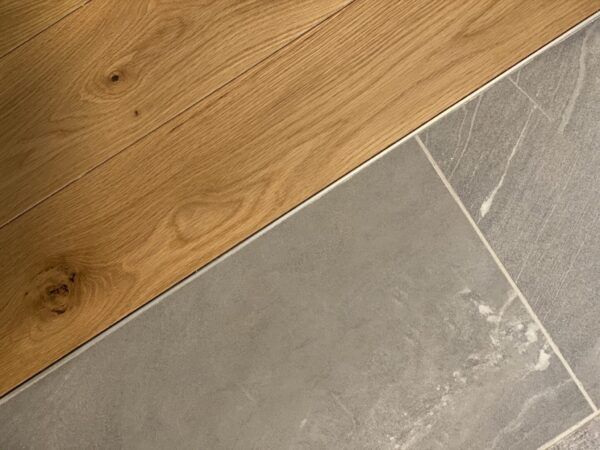
The best answer for many homes: Use both. Hardwood in the main living areas, dining room, and bedrooms where you want warmth and long-term value. LVP in moisture-prone or high-damage zones. LUKS installs both and can plan the transitions beautifully.
What does each floor actually cost in Seattle and the Eastside?
Flooring costs in the Seattle market run higher than national averages — Seattle’s cost of living sits well above the national average, and labor rates reflect that. Here’s a realistic picture of what homeowners are paying in 2026.
| Floor type | Installed cost / sq ft (Seattle) | Typical room range | Notes |
|---|---|---|---|
| LVP | $6 – $12 / sq ft | $1,200 – $2,800 per room | Includes materials and installation |
| Engineered hardwood | $9 – $18 / sq ft | $2,000 – $4,500 per room | More stable in humid conditions |
| Solid hardwood | $11 – $25 / sq ft | $2,500 – $6,000 per room | Species, width, and subfloor prep affect final cost |
| Refinishing existing hardwood | $3 – $8 / sq ft | $1,600 – $3,500 typical project | ROI averages 147% — often the smartest investment |
Important: If you already have hardwood floors that can be refinished, that is almost always the highest-ROI choice in the Seattle market. Refinishing is a fraction of replacement cost and can dramatically transform the look and value of the home.
What Seattle buyers actually respond to
In competitive Seattle and Eastside real estate markets, flooring is one of the first things buyers notice — and one of the first things that creates or kills an emotional connection to the home.
Hardwood floors
Consistently ranked among the top features homebuyers want. Real hardwood creates an emotional response in showings that quality photos and descriptions confirm. In Bellevue, Kirkland, and Mercer Island, hardwood is often expected at certain price points.
LVP floors
High-quality LVP is well-received by buyers, particularly in moisture-prone areas. Buyers increasingly understand the practical benefits. However, it rarely creates the same instant premium feel that hardwood does in above-median priced homes.
Refinished hardwood
Freshly refinished hardwood is one of the highest-ROI pre-sale investments. A floor that looks like new — clean stain, updated finish, no scratches — photographs beautifully and makes every room feel larger and better maintained.
The hybrid approach — hardwood in the visible, high-value areas and LVP in utility zones — captures the best of both for resale.
Why Seattle homes have unique flooring considerations
Flooring decisions that work in Phoenix or Atlanta don’t always translate directly to Pacific Northwest conditions. Here’s what makes Seattle homes different.
Moisture and humidity
Seattle’s climate is persistently damp. Hardwood requires careful moisture management — subfloor moisture testing, proper acclimation, and smart species selection. In lower-level spaces or older homes with crawl space moisture issues, this matters enormously. LVP removes this concern entirely in those areas.
Older home subfloors
Seattle’s housing stock includes many Craftsman-era homes from the 1920s and 1940s — and mid-century homes with uneven subfloors. Proper subfloor prep can add cost and time to any installation. LVP’s floating installation tolerates more subfloor variation than nail-down solid hardwood.
Open-concept living
Many Seattle and Eastside homes have been remodeled into open floor plans where the kitchen, dining room, and living room share one continuous floor. In these spaces, the floor color and material unify the entire visual. Hardwood creates a warmth and coherence that LVP approaches but rarely matches at the same level.
Premium neighborhood expectations
In higher price-point neighborhoods — Medina, Mercer Island, Clyde Hill, Yarrow Point — hardwood floors are often expected. LVP is increasingly accepted, but in homes priced above the neighborhood median, authentic materials still carry more weight with buyers.
Quick reference: hardwood vs. LVP side by side
| Category | Hardwood | LVP |
|---|---|---|
| Scratch resistance | Moderate — varies by species | Excellent — especially 20-mil+ wear layer |
| Waterproof | No — susceptible to moisture damage | Yes — 100% waterproof throughout |
| Lifespan | 50–100+ years with refinishing | 15–25 years before replacement |
| Refinishable | Yes — multiple times | No |
| Look & feel | Authentic, warm, natural variation | Very realistic visually, different underfoot |
| Upfront cost (Seattle) | Higher — $11–$25/sq ft installed | Lower — $6–$12/sq ft installed |
| Buyer perception | Premium — top buyer request | Well-received, less premium than hardwood |
| Best for | Long-term owners, resale, formal spaces | Active families, moisture zones, budget focus |
The hardwood vs. LVP questions Seattle homeowners ask us most
Still not sure which floor is right for you? Let’s look at your home together.
LUKS Construction installs both hardwood and LVP across Seattle and the Eastside. We’ll evaluate your home, your lifestyle, and your goals — and recommend the floor that actually fits, without pressure toward either option.
Tip: Send photos of your current floors and the rooms you’re working on. We can often give meaningful initial guidance before a site visit.
Hardwood and LVP installation across Seattle and the Eastside
LUKS Construction installs hardwood floors, engineered hardwood floors, LVP floors, and hardwood stairs across Seattle and the greater Eastside. We also refinish and restore existing hardwood floors throughout King and Snohomish County.
Not sure if we serve your area? Call 425-971-2895 — chances are we are already working near you.
Bellevue
Kirkland
Redmond
Sammamish
Issaquah
Mercer Island
Bothell
Kenmore
Shoreline
Lynnwood
Edmonds
Mill Creek
Mukilteo
Everett
Newcastle
Snoqualmie
Bainbridge Island
Medina
Lake Forest Park
Service area includes Seattle, Bellevue, Kirkland, Redmond, Sammamish, Issaquah, Mercer Island, Bothell, Kenmore, Shoreline, Lynnwood, Edmonds, Mill Creek, Mukilteo, Everett, Newcastle, Snoqualmie, Bainbridge Island, Medina, and Lake Forest Park.


